
Perfection begins before the moment
The word perfection easily evokes an image of flawless surfaces, meticulous processes and a standard that tolerates no error. In everyday life, this notion is rarely helpful. It creates pressure and overlooks what actually matters: that things are ready at the right time, that decisions become easier and that reliability does not first have to be explained.
Quality in a Private Office therefore does not mean planning a life without gaps. It means thinking ahead with attentiveness. Which information will be needed later? Where could an unnecessary interruption arise? What should be clarified before an appointment, a journey or a private commitment begins? Good preparation does not create a rigid backdrop. It creates flexibility.
The value often lies in work that remains barely visible: appointments are prepared with the right context, routes are sensibly coordinated, documents are put in order in good time. Not so that everything looks spectacular, but so that the day can keep its own calm.
Perfection in everyday life does not show in nothing happening, but in what matters having its place.
This form of care also accepts that plans may change. A well-run organisation does not cling to an original idea at any price. It provides orientation and at the same time leaves room for what is only decided in the course of the day.
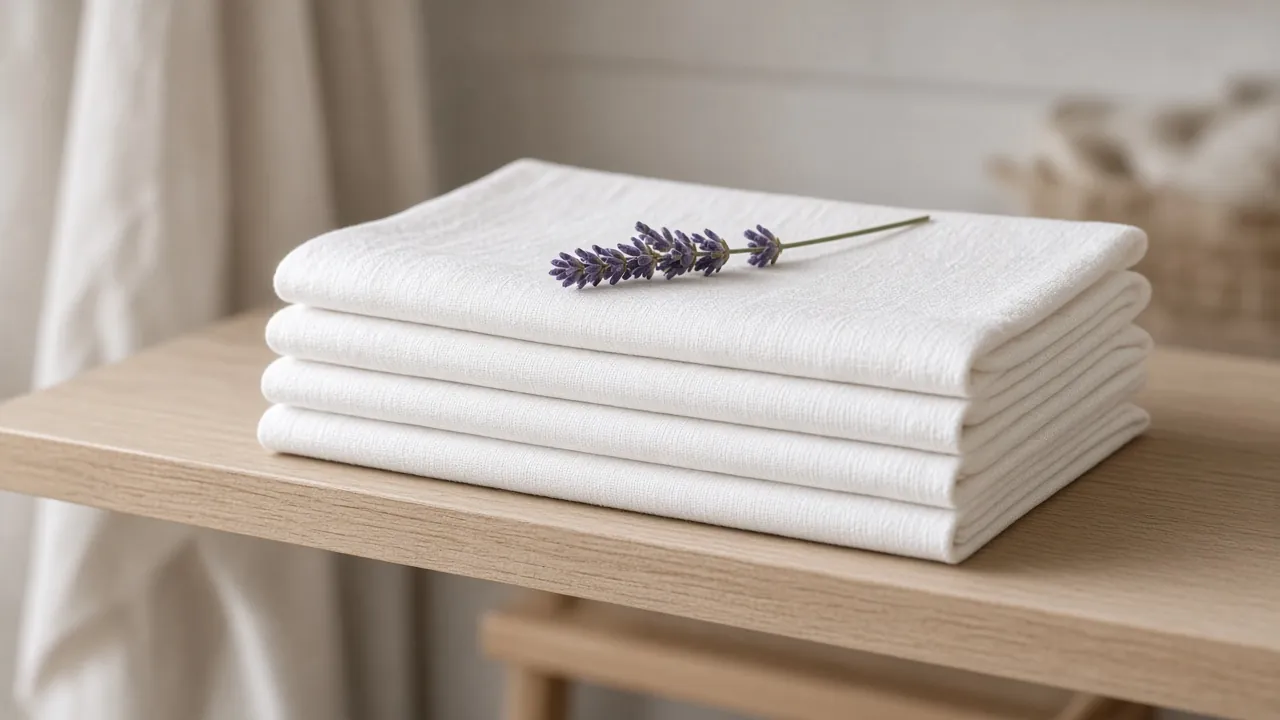
The details that need no explanation
Reliability rarely comes from a single grand gesture. It grows from small, recurring actions. An address is noted in full. A time window is chosen realistically. A question is asked before an assumption turns into a detour. A preference is understood as part of the context, not as a decorative note.
Such details seem modest, yet they shape the experience of a day. When information is available where it is needed, conversations remain freer. When responsibilities are clear, decisions do not have to be explained several times. And when a sequence is prepared with a sense of proportion, even a change can be absorbed without unrest.
In this sense, quality does not mean wanting to control every eventuality. That would be neither possible nor desirable. Rather, it means taking the likely questions seriously and laying the right foundations. Care shows in a comprehensible order, in clear agreements and in the willingness to take another look.
Especially in private life, this attentiveness deserves a reserved tone. Everyday life should not be treated like a project that must be continuously optimised. It should become easier. That is why it makes sense to order complexity in the background and to make only what is genuinely helpful noticeable in the foreground.
At Family Concierge, this includes keeping an eye on the individual rhythm of a household. Quality does not come from a template, but from understanding which routines bring relief and which habits should be preserved.
Service that leaves room
Respectful service recognises that support does not mean taking over. Some tasks need a clear recommendation, others merely reliable preparation. Sometimes a short update makes sense; sometimes it is better to keep a process discreetly in the background. The right form of support is determined not by volume, but by situation and personality.
Herein lies an essential difference between staging and quality. Staging wants to be noticed. It emphasises the extraordinary, even if it tends to interrupt everyday life. Quality, by contrast, asks whether a solution is appropriate. It spares explanations where clarity is enough, and preserves discretion where private matters should remain private.
Good service does not turn people into spectators of their own everyday lives. It supports them in focusing their attention on what matters to them: conversations, family, work, rest or simply an undisturbed afternoon. This includes an appropriate tone, a clear sense of boundaries and the willingness to listen before acting.
This restraint is not distance. It is a form of respect. Those who do not need to be visible on every occasion can be more present at the decisive moment – matter-of-fact, prepared and without unnecessary fuss.
Everyday life that feels light
A calm everyday life is not necessarily an uneventful one. Even full weeks, changing demands and spontaneous wishes can feel orderly if their foundation is right. It is not about cramming every minute. It is about shaping transitions more deliberately and reducing friction where it has no value.
This includes reviewing priorities regularly. What needs to be decided today, and what can wait? Which task requires personal attention, and which can sensibly be prepared? Which agreement should be recorded so that it does not have to be renegotiated next time? These questions bring structure without narrowing the day.
Equally important is the permission that not everything has to be perfect. A postponed meeting, an unexpected change or a free afternoon are no sign of a lack of quality. What matters is how calmly they are handled. Preparation helps to put the unforeseen into context instead of turning it into a disruption.
Understood in this way, perfection is neither a distant ideal nor a gleaming façade. It is the quiet combination of attentiveness, reliability and respect. It shows in everyday life demanding no more energy than it should – and in what is essential keeping enough room.
Questions & answers
At a glance.
How does quality in a Private Office show in everyday life?
It shows above all in preparation that takes the personal context into account: clear information, realistic sequences, careful coordination and a way of handling changes that preserves calm. What matters is not the visible gesture, but whether support actually makes everyday life easier and more comprehensible.
Does perfection mean that every day has to be fully planned?
No. A sensibly organised everyday life leaves room for spontaneous decisions and changes. Preparation provides orientation without fixing every minute. It helps keep recurring tasks and important details in view, so that time and attention remain for what matters in the moment.