
The right start: not planning everything at once
A private occasion succeeds when it feels natural to hosts and guests. This is rarely the result of a particularly long to-do list. It comes about when the decisive questions are answered first: What should this evening stand for? Who should feel welcome, and how? And which parts of the moment may deliberately remain in the background?
A milestone celebration, a private dinner or a wedding brings together different people, expectations and trades. Good planning does not turn this into rigid choreography. It creates a reliable framework in which atmosphere can emerge. Those who sort out this framework early gain the freedom later to stay with the beautiful details.
A special occasion does not need visible organisation. It needs the right attention at the right time.
The checklist for a private occasion
The following six points help bring the essential decisions into a sensible order. They are not a fixed recipe – but a calm orientation for occasions that are meant to stay personal.
1. Occasion, hosts and circle of guests
Begin with the heart of the evening. Should a birthday be intimate or bring together different areas of life? Should a wedding feel familial and understated, or span several days? A clear occasion gives direction to all further decisions.
- Define the format: dinner, reception, party, multi-day occasion or a combination.
- Keep the circle of guests deliberate: whom do you really want with you in this moment?
- Note personal preferences: music, style of conversation, time of day, favourite dishes, places to retreat and everything that makes the occasion unmistakable.
- Assign responsibility: one person should bundle decisions and calmly sort queries.
These first points seem simple. Yet they prevent the planning from later being driven by a long list of individual possibilities.
2. Venue and arrival as part of the experience
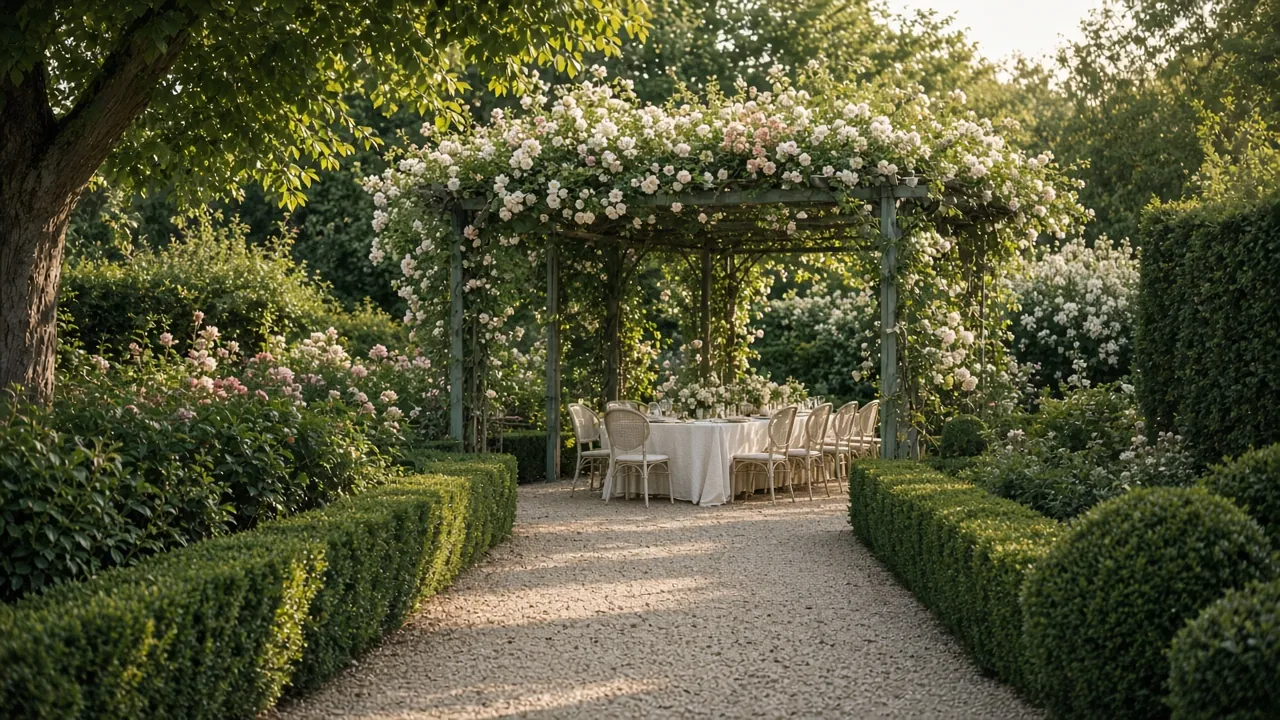
The venue carries more than scenery. It determines arrival, routes, light and acoustics, and how naturally an evening feels. A private residence, a special room or a temporarily designed setting therefore needs a view of the whole, not just of the decoration.
- Does the venue suit the desired rhythm – calm, lively, festive or focused?
- How do guests experience arrival: address, access, cloakroom, welcome and first orientation?
- Is there enough space for dining, conversation, retreat and service routes?
- Which details must be invisibly prepared: furniture, power, weather protection, access or late-night departure?
Especially for private occasions, it makes sense to walk through the sequence once from a guest’s point of view and once from the service’s point of view. This is often where the small transitions show that will later decide between calm and unrest.
3. Cuisine and service in personal measure
Private dining is not a standardised programme. The best cuisine suits the occasion, the venue and the people at the table. That may be a carefully curated menu, a relaxed late-summer evening or a service that deliberately stays in the background. What matters is not the number of options but a harmonious selection.
- Clarify the culinary direction: menu, sharing, stations or a seated dinner.
- Record preferences early: allergies, dietary choices, age groups and personal wishes.
- Define the level of service: presence, restraint, timing and availability.
- Set the moments: aperitif, speech, cake, a change of music or a late wind-down need a clear but unobtrusive transition.
Quality shows here in the preparation. When kitchen and service understand the occasion, hosts do not have to explain, decide or adjust in the moment.
4. Technology that creates effect – without demanding attention
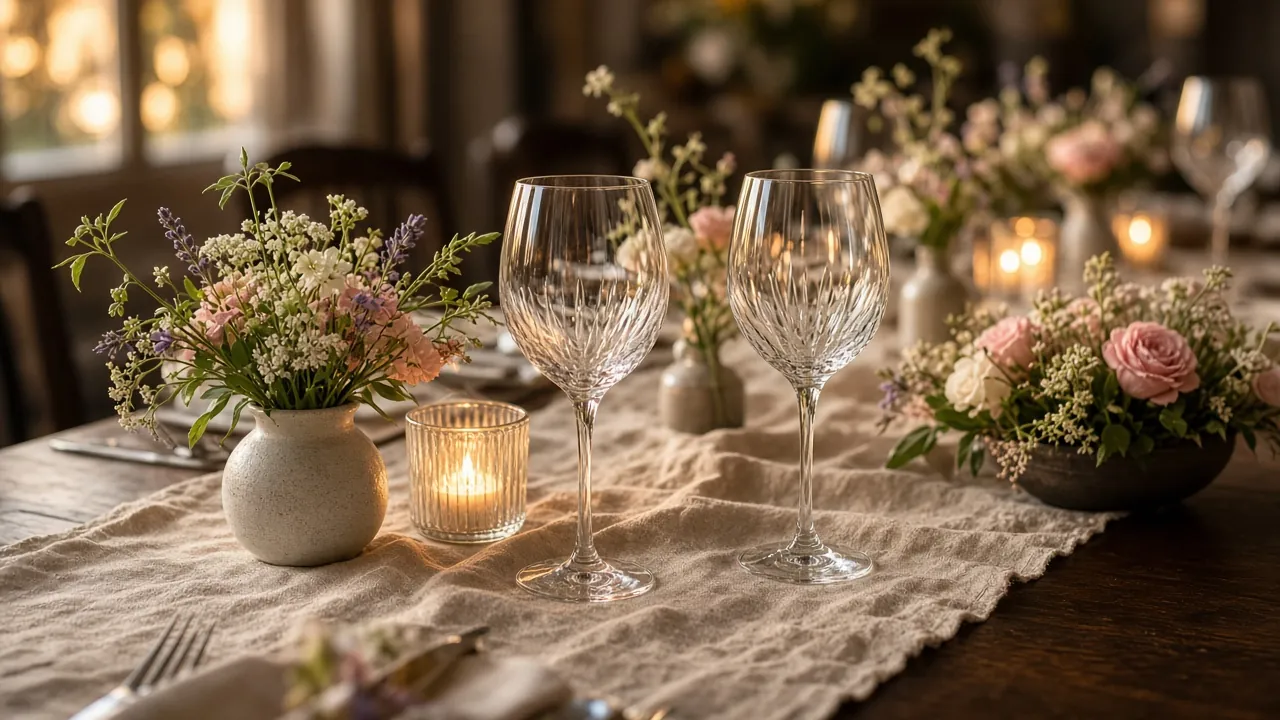
Light, sound and music shape a celebration strongly, even though ideally they are barely perceived as separate elements. Good technical planning is not spectacular for its own sake. It makes speech intelligible, music fitting and the space pleasant.
- What mood should the lighting create before and after guests arrive?
- Where is sound needed: for a speech, live music, a playlist or just a discreet background layer?
- Which technical routes, connections and safeguards must be clarified before the start?
- Who accompanies the sequence if a time window shifts or an item on the programme runs differently than expected?
An early technical site visit saves unnecessary compromises later. Especially in private spaces, this ensures that the technology fits the architecture rather than working against it.
5. The sequence needs room between programme points
A precise schedule is helpful – as long as it does not time every encounter. The essential fixed points should be clear: arrival, dinner, special words, music, transitions and the end. In between, space may emerge. Guests need the opportunity to find their bearings, deepen conversations and not merely consume a moment.
A short internal schedule held only by those responsible is helpful. It contains responsibilities, contact routes and time windows. For guests, all that remains of it is the feeling that everything has its place.
6. Preparing Plan B so that it rarely becomes an issue
Weather, traffic, late deliveries or a spontaneous wish are part of private occasions. A Plan B does not have to be a second event. It is often enough to take the likely deviations seriously and decide in advance who responds, and how.
- An alternative for weather and outdoor areas
- Clear contacts for kitchen, technology, transport and venue
- Time buffers for arrival, changeovers and special moments
- A calm point of contact who bundles decisions
This preparation does not make an occasion any less personal. It protects precisely what is personal, because hosts do not have to switch into operational mode when something turns out differently.
What is truly remembered in the end
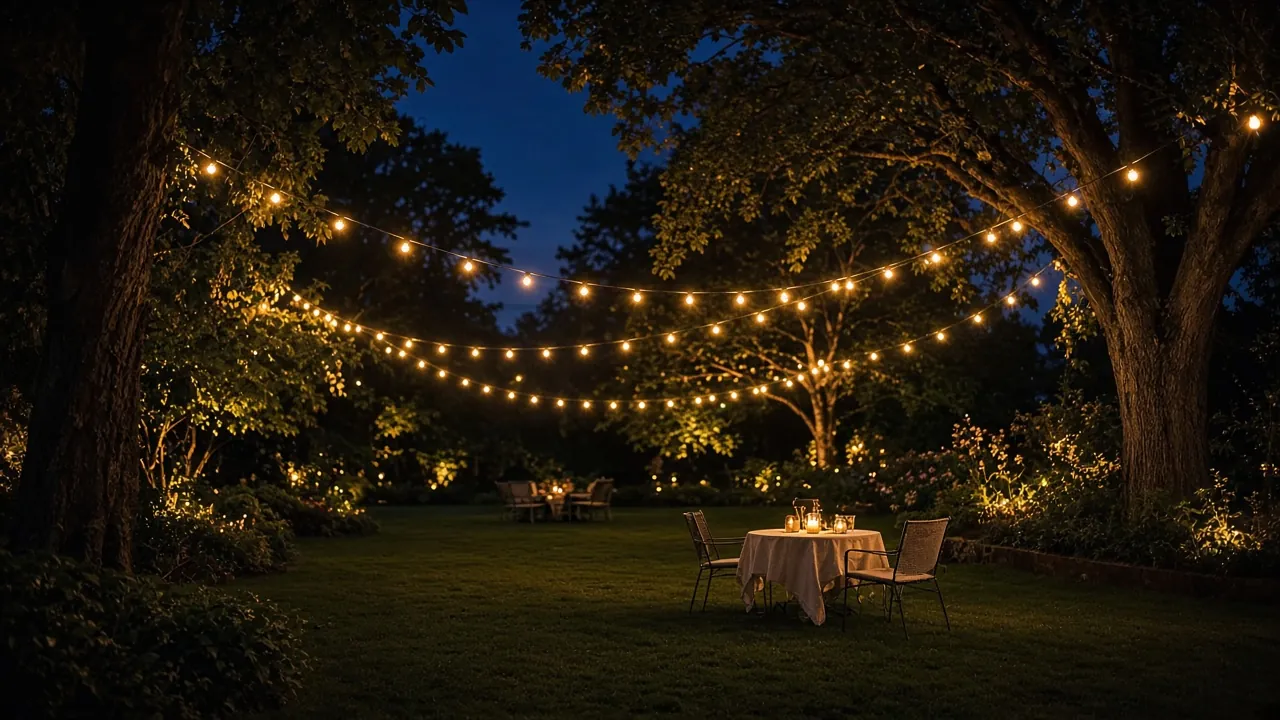
Guests rarely remember a meticulous schedule. They remember a welcome, a special seat at the table, good music at the right time, or that an evening felt light. This lightness cannot be forced. It comes from a carefully developed framework and from people who carry the overview with calm.
At Family Concierge, we therefore see private occasions as an interplay of personality, hospitality and reliable execution. Whether a milestone birthday, a private dinner or a demanding wedding: the sequence should carry the people – not the other way round.
If you would like to discuss an occasion in confidence, we begin with the framework you really need. Everything else we arrange together.
Questions & answers
At a glance.
When should planning a private celebration begin?
Begin as soon as the occasion, the desired framework and the possible circle of guests are roughly clear. Starting early above all creates time for suitable venues, partners and a calm sequence. Not every detail needs to be decided at that point.
What does discreet private event planning involve?
Planning discreetly means keeping the circle of those involved deliberate, assigning responsibilities clearly and passing on information only where it is needed for the task in question. This keeps the sequence reliable without making it unnecessarily visible.
Why should technology be considered early for a private celebration?
Light, sound, music and connections influence the feel of the space, speeches and the sequence. An early site visit helps integrate technology appropriately, keep service routes clear and avoid improvisation later.